






Environment Dimension
Caring for the Environment
Is the Foundation of Long-Term
Well-Being
Environmental sustainability is built through collective responsibility, BAAC is committed to
promoting practices that respect nature, encourage responsible resource use, and
balance
economic development with the preservation of ecosystems.
promoting practices that respect nature, encourage responsible resource use, and
balance
economic development with the preservation of ecosystems.
Practices in Accordance with the ISO 26000


Key Achievements
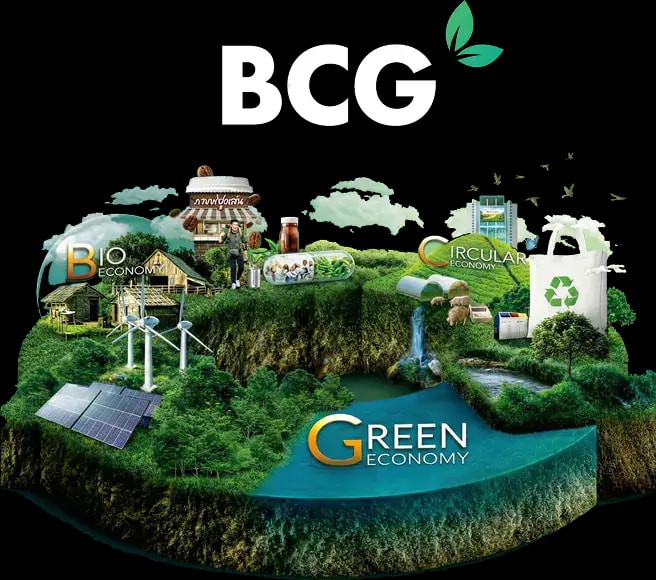
The BCG Model
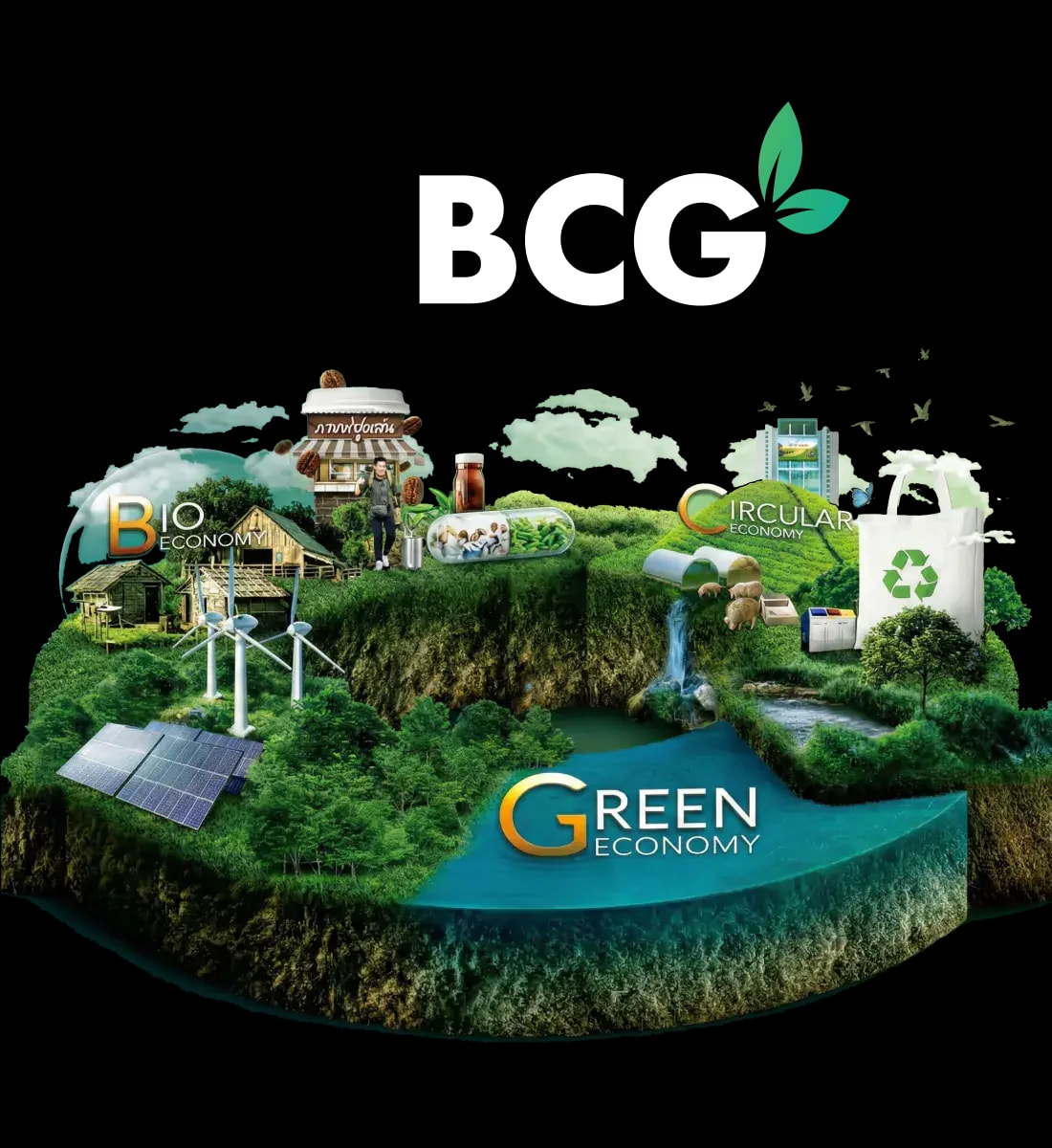
BAAC connect environment to economy and society through the BCG economic model by supporting Bio Economy Credit, Circular Economy Credit, and Green Credit, including products such as Green Bond, to foster balanced and long-term growth for agriculture, communities, and the environment.
Cumulative
approved
loans
approved
loans
291cases
Cumulative
approved bonds / funds
37,613cases
Total amount
44,000Mbaht

BAAC Green Bond is a financial instrument supporting grassroots economic development alongside environmental conservation. BAAC raised 6,000 million baht to invest in eco-friendly lending programs, including Go Green: Forest Credit and Green Credit, promoting sustainable economic growth. The Green Bond is independently reviewed and internationally certified.
Production area
217,116.44rai
Carbon sequestration
30,607.07tCO2e
Production volume
893,477.84tons
Electricity generation capacity
3,569.96MW



BAAC Carbon Credit
BAAC Carbon Credit is an initiative that supports farmers and communities in reducing greenhouse gas emissions through sustainable agricultural practices, enabling access to carbon credit markets while creating additional income and promoting long-term environmental and social sustainability.
Bank for Trees
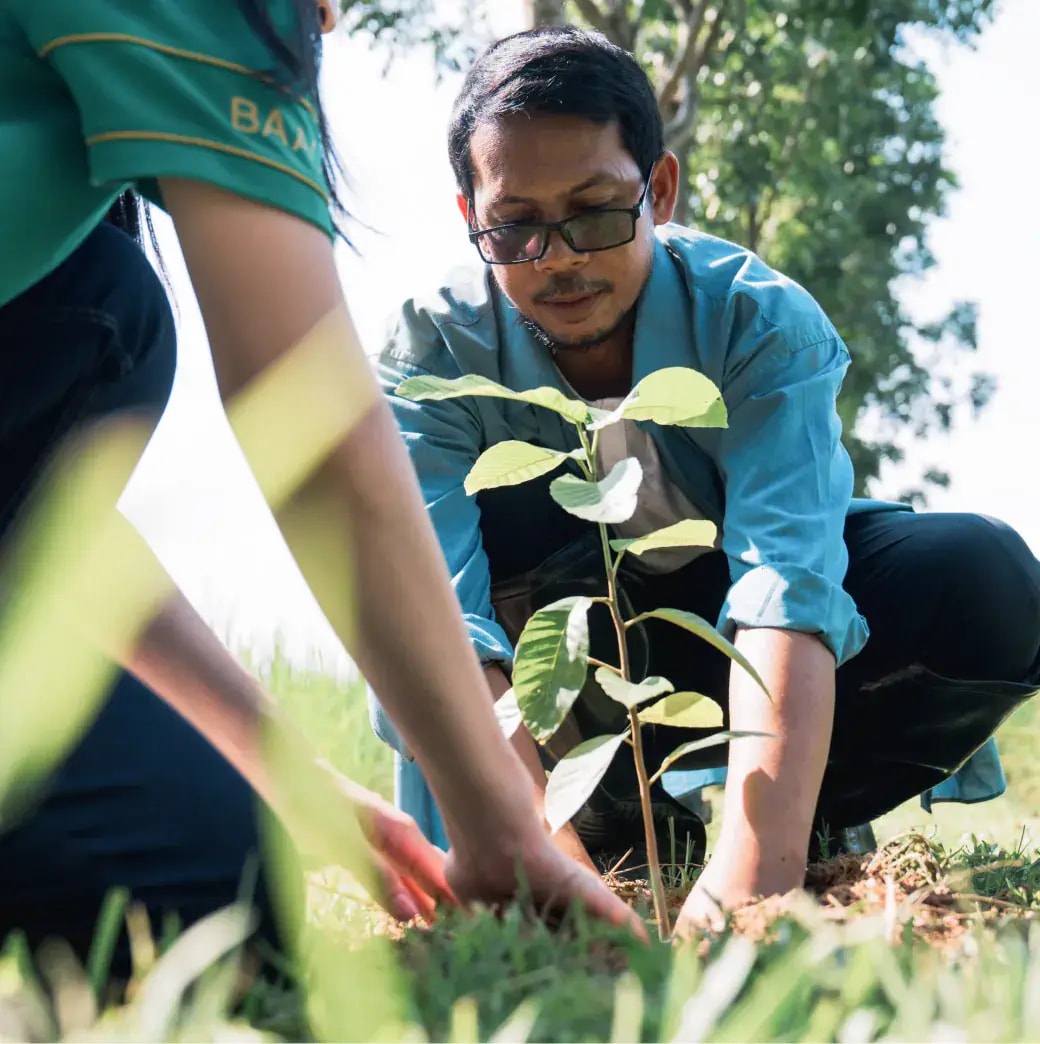
BAAC promotes community participation in tree conservation by enabling access to carbon credits, generating income from greenhouse gas reduction, supporting ecosystem preservation, and aligning local environmental action with Thailand's national carbon neutrality policy.
Low Carbon Rice Project
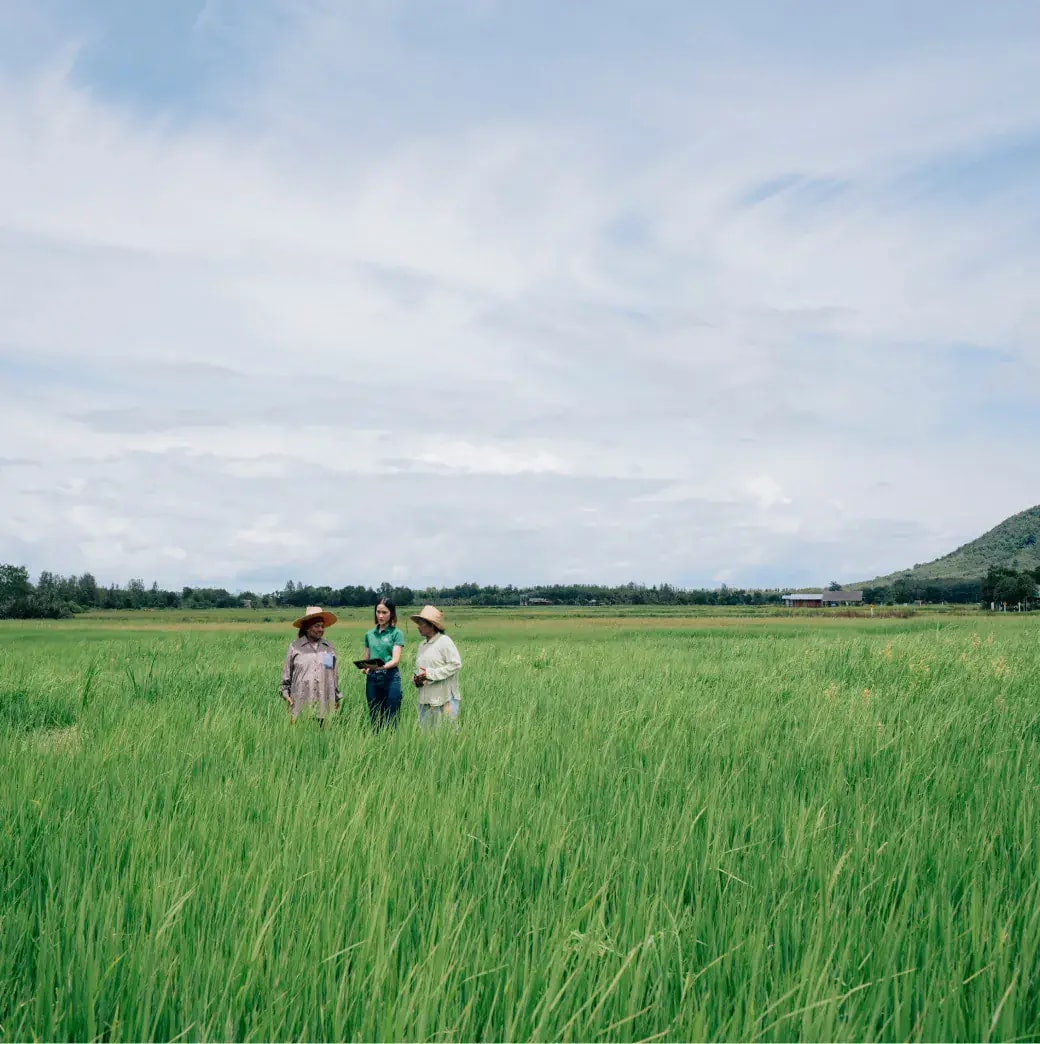
BAAC launches the project to reduce methane emissions through AWD farming, supporting ESG goals, carbon neutrality targets, farmer income growth, PM2.5 reduction, and value-added rice products, piloted in Udon Thani with measurable environmental and economic benefits.
Other Achievements

Organizational Greenhouse
Gas Emission Management
BAAC systematically measures and manages greenhouse gas emissions
across operations to improve energy efficiency and reduce environmental
impact, achieving a 6.60% reduction compared to 2022 and strengthening long-term climate management strategies.
across operations to improve energy efficiency and reduce environmental
impact, achieving a 6.60% reduction compared to 2022 and strengthening long-term climate management strategies.

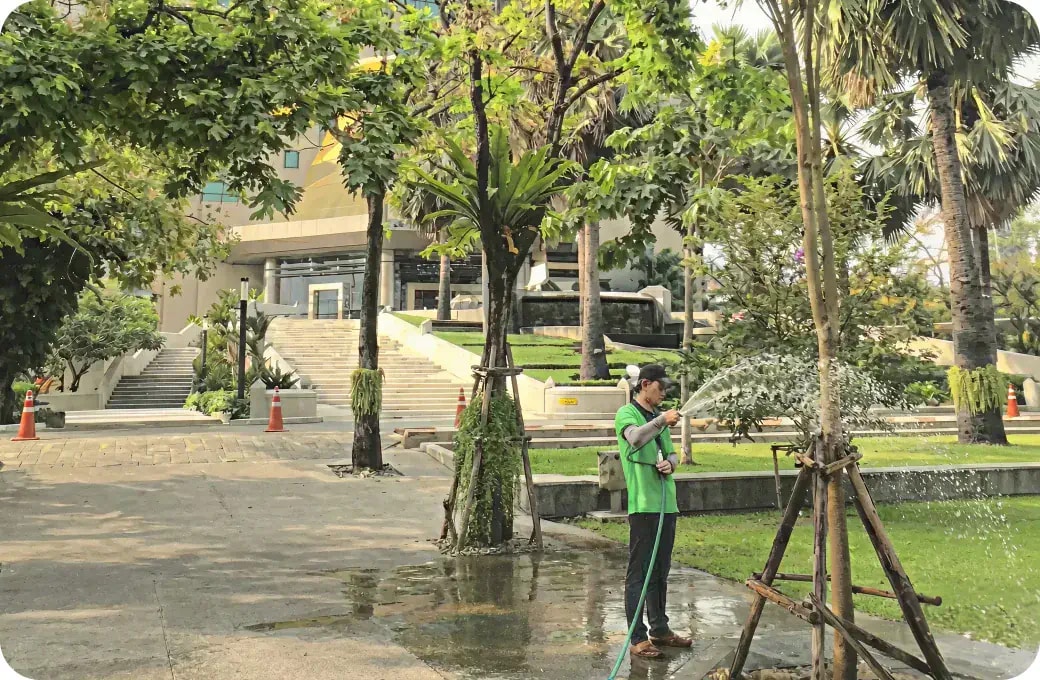
Air Conditioning Condensate Reuse Project
BAAC reuses condensate water from air-conditioning systems at its
headquarters to irrigate green areas, conserving water resources,
reducing wastewater discharge, and promoting practical circular
water management within organizational operations.
headquarters to irrigate green areas, conserving water resources,
reducing wastewater discharge, and promoting practical circular
water management within organizational operations.

BAAC Save Life & Save World
This initiative enhances employee awareness of energy conservation through education on safe and efficient use of electrical appliances, encouraging responsible behavior at work and in daily life to collectively reduce environmental impacts.

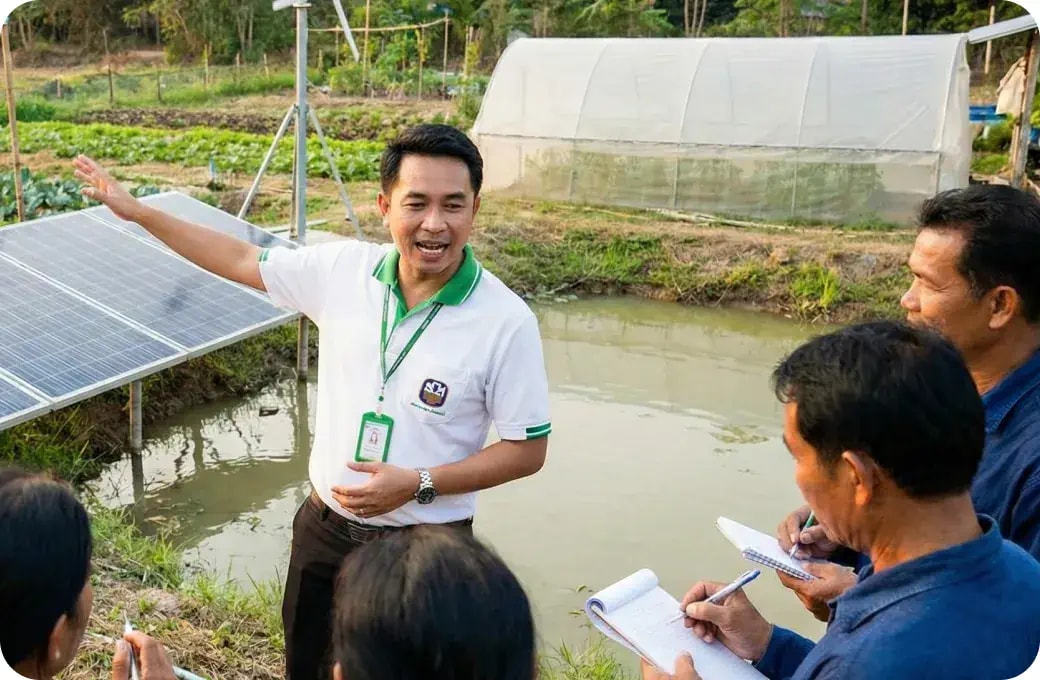
Clean Energy Agriculture for Sustainable Cost Reduction
BAAC supports clean energy adoption in agriculture by strengthening
farmer groups, promoting community-based enterprises, reducing
energy costs, and advancing sustainable rural development in
alignment with the BCG economic model.
farmer groups, promoting community-based enterprises, reducing
energy costs, and advancing sustainable rural development in
alignment with the BCG economic model.
Summary of Environmental Performance
Electricity consumption
Diesel fuel consumption
Gasohol fuel consumption
Water consumption
A4 paper usage
Greenhouse gas emissions
Support for customers' products,
community enterprises, and eco-
friendly products
Years2023 | Years2024 | ||
|---|---|---|---|
Electricity consumption | 75,956,419.88 kWh | 77,830,785.72 kWh | kWh |
Diesel fuel consumption | 4,157,083.16 liters | 4,035,022.61 liters | liters |
Gasohol fuel consumption | 2,267,299.84 liters | 1,739,388.63 liters | liters |
Water consumption | 1,212,310.07 cubic meters | 1,368,598.17 cubic meters | cubic meters |
A4 paper usage | 211.74 tons | 229.43 tons | tons |
Greenhouse gas emissions | 4,167.49 tCO2e | 4,653.43 tCO2e | tCO2e |
Support for customers' products, <br/>community enterprises, and eco-<br/>friendly products | 218M baht | 300M baht | baht |